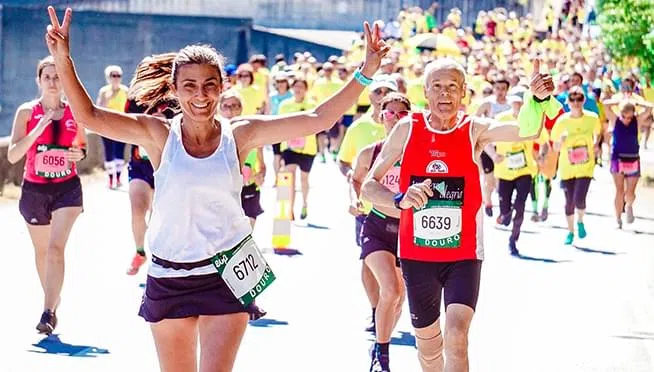
About 53,000 runners have spent months training for a crisp fall start to the Chicago Marathon. But instead of the cool conditions many were hoping for, Sunday’s forecast is shaping up to be unusually warm, and that could make a big difference over 26.2 miles.
Temperatures are expected to be in the low 60s downtown when the race begins, then climb into the 70s by the time many runners reach the finish line, explains senior meteorologist Jonathan Erdman.
Why race day weather matters
For the uninitiated, Chicago’s usual race-morning temperature is a cool 53 degrees, meaning this year’s start could feel downright warm. And for runners, warmer isn’t necessarily better.
Research has shown the sweet spot for speed (for non-elite runners) is around 44 degrees, which is why you often see marquee races taking place in the fall and spring.
Experts estimate runners can add about 2 to 2.5 seconds per mile for every degree above 59 degrees.
At this weekend’s expected 70 degrees, that could translate to roughly 10 to 12 extra minutes over the full marathon compared with running in more ideal conditions.
Runners, keep an eye on the forecast
The warmth won’t be the only weather factor.
Erdman says southerly breezes could make things tougher, particularly along the north-south portions of the course through downtown.
“Some forecast models also suggest moisture from the inland remnant of Isaias could flirt with parts of Chicagoland on Sunday,” Erdman says.
For now, the rain threat appears to be focused mainly on Chicago’s South Side and the northwest Indiana suburbs, rather than the entire marathon route.
Still, even without widespread rain, a combination of rising temperatures, humidity and a breeze could make the second half of the race feel considerably different from the cool conditions many runners trained for.
How should runners prepare?
Runners should expect a race that starts relatively mild and gets warmer with every mile.
Starting at a more conservative pace can help prevent overheating later, when temperatures are at their highest.
Hydration will also become more important, especially for runners who aren’t used to warmer race conditions. Wear lightweight, breathable clothing and take advantage of the course’s water stations.
And perhaps most importantly, adjust your finish line expectations. Don’t chase a cool-weather goal on a warm-weather day.